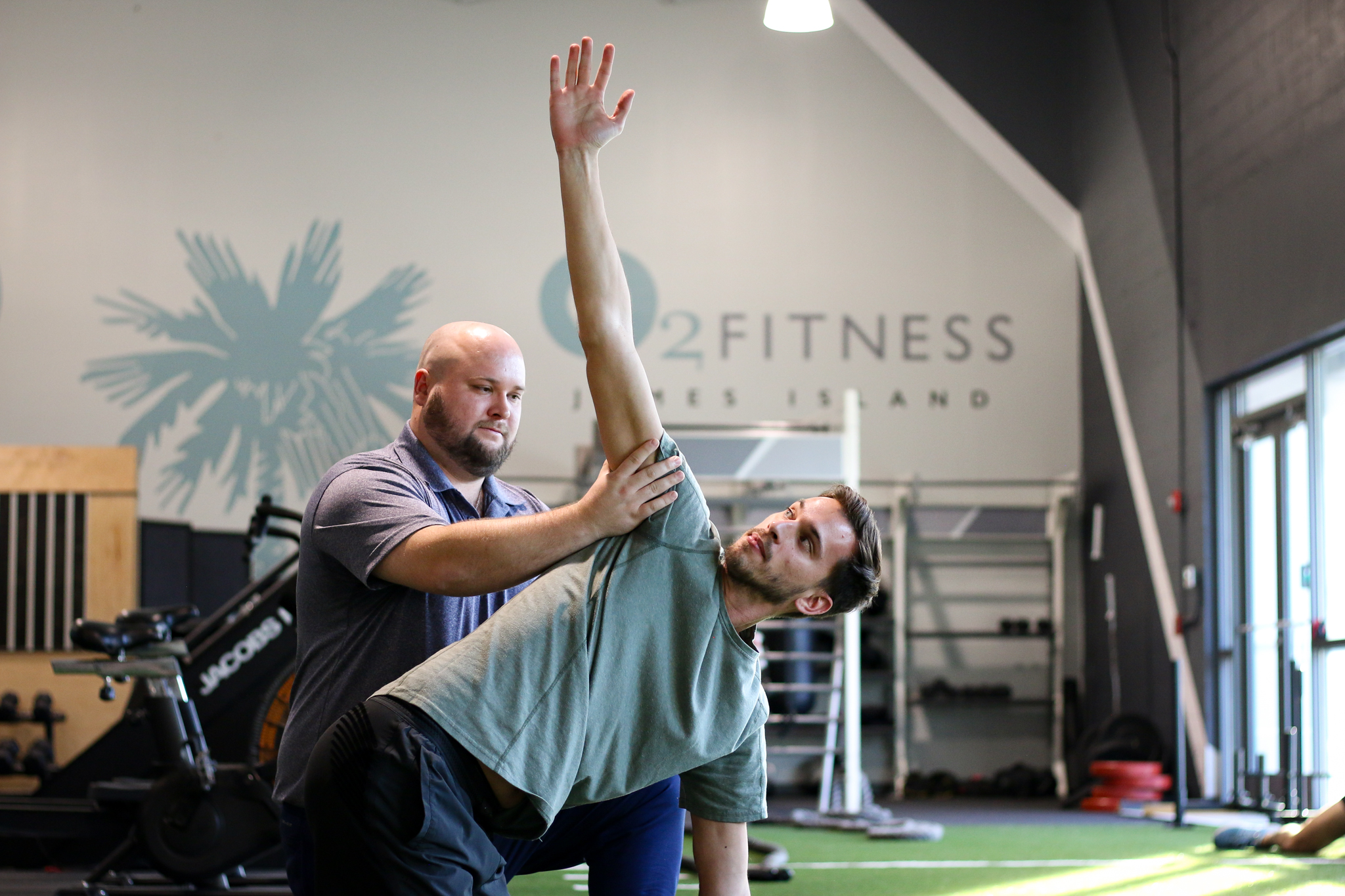







Whether you’re lifting weights, doing bodyweight training, or following a class workout, one of the most important skills isn’t just strength—it’s control.
If your technique starts to change mid-set, your body may be compensating, and that can reduce results or increase your risk of irritation.
Here are the most common signs your form is breaking down during a rep—and what you can do right away.
Why form breakdown happens (and why it matters)
Most form breakdown shows up when:
-
you’re getting fatigued
-
the weight/resistance is too heavy
-
you’re losing bracing or control
-
you’re rushing through reps to “get it done”
If your body starts taking shortcuts, you may stop training the intended muscles and instead shift stress to joints or areas that aren’t ready.
Signs your form is breaking down during a rep
1. Your range of motion shortens
You start with full, controlled reps, then suddenly the bottom or top movement gets smaller.
Fix: Reduce weight or stop the set when your range starts shortening.
2. Your reps speed up (or bounce)
If your reps turn from controlled to “jerky,” momentum may be replacing technique.
Fix: Slow down—especially the lowering phase (the eccentric). If you can’t control it, the load is too heavy.
3. Alignment changes (twisting, collapsing, drifting)
Common examples include:
-
knees caving inward
-
hips shifting side-to-side
-
shoulders rolling forward
-
your torso leaning more than before
Fix: Pause, reset your posture, and reduce weight. If you can’t maintain alignment, switch to an easier variation.
4. You lose your brace or posture
You might notice:
-
increased arching of the lower back
-
ribs flaring
-
losing a stable “core” position
Fix: Practice bracing with a lighter load. If this keeps happening, technique coaching helps.
5. Pain shows up or changes
Muscle fatigue is normal. Sharp, pinchy, or worsening pain that changes how you move is a red flag.
Fix: Stop the set and assess. If symptoms persist or return regularly, it’s smart to get professional guidance.
The “rep check” method (simple and effective)
During a set, do a quick self-check by asking yourself:
-
What changed? (speed, range, alignment, bracing)
-
When did it happen? (top, bottom, or halfway through)
-
Can I correct it in the next 1–2 reps?
If you can’t correct it quickly, stop and adjust—don’t push through compromised form.
What to do when form breaks down
Try one (or more) of these:
-
Lower the weight
-
Slow the tempo
-
Reduce range of motion temporarily
-
Switch to a regression (e.g., incline push-ups instead of flat)
-
Focus on control over reps
If your form keeps slipping despite lighter weight or easier variations, it may help to talk to a physiotherapist. Read more here: Why You Can’t Keep Proper Form (and What to Do About It)
Final takeaway
A great workout isn’t just “hard.” It’s controlled.
If your form breaks down mid-set, adjust early—your body (and your progress) will thank you.

.png)