






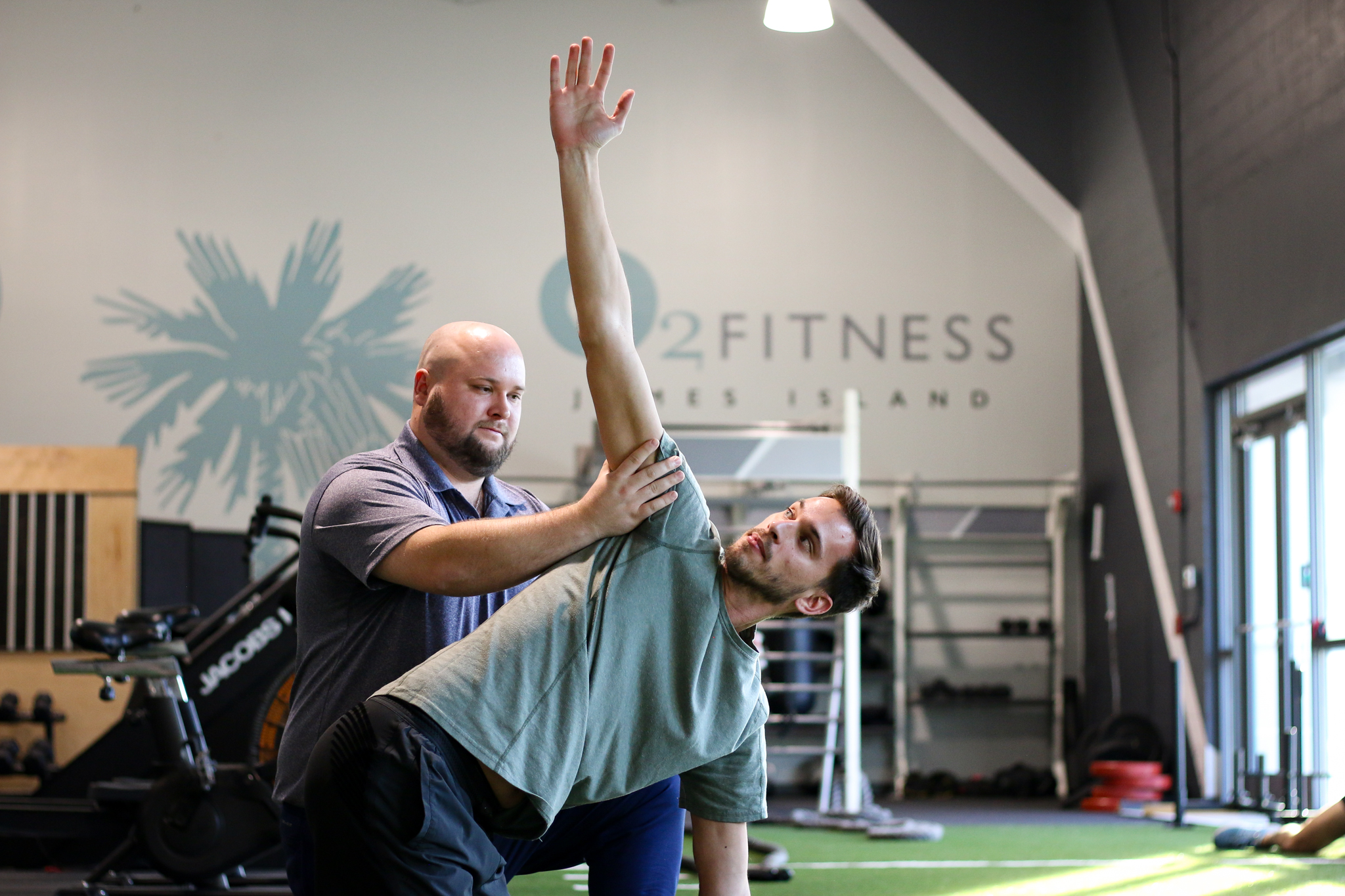
When most people think about getting stronger or fitter, they picture heavy lifts, long runs, or intense HIIT sessions. But there's a foundational piece of fitness that often gets overlooked: mobility. Without it, your strength, endurance, and overall performance can hit a ceiling (or worse, lead to injury).
Here's why mobility deserves a spot in your regular routine, and how it can take your O2 workouts to the next level.
More Than Just Flexibility: What Mobility Really Means
Mobility isn't the same as flexibility. While flexibility refers to how far your muscles can stretch, mobility is about how well your joints move through their full range of motion with control. Think of it as the meeting ground of flexibility, strength, and coordination working together.
Good mobility means your hips can hinge properly during a deadlift, your shoulders can rotate freely overhead, and your ankles can flex deeply into a squat — all without compensation or causing strain anywhere else in your body.
What You'll Gain by Improving Your Mobility
1. Cleaner Reps, Better Results
When your joints move freely, your form improves automatically. A deeper squat, a cleaner overhead press, or a more efficient running stride all start with mobility. Better form means better results — and fewer wasted reps.
2. Fewer Setbacks From Injury
Tight, restricted joints often force your body to compensate, putting extra stress on areas that weren't designed to handle it. Improving mobility helps distribute load properly across your muscles and joints, lowering your risk of strains and overuse injuries.
3. Strength Gains You Didn't Know You Were Missing
You can't build strength in a range of motion you can't access. Improving hip, shoulder, and ankle mobility often unlocks strength gains that plateaued simply because your body couldn't get into the right position to lift effectively.
4. Less Soreness, Quicker Comebacks
Mobility work increases blood flow, reduces muscle stiffness, and helps your nervous system relax after tough sessions — meaning you bounce back quicker and feel less sore between workouts.
5. A Body That Moves Better Outside the Gym, Too
Better mobility isn't just for the gym. It translates directly into daily life — bending down to tie your shoes, reaching overhead, twisting to grab something in the back seat. Training mobility keeps your body functional as you age.
How to Incorporate Mobility Into Your Routine
You don't need a separate hour-long session to reap the benefits. Try adding these into your current O2 workouts:
-
Dynamic warm-ups – Spend 5–10 minutes before your workout on movements like leg swings, arm circles, and hip openers to prep your joints.
-
Foam rolling – Use it before or after your workout to release tight spots and improve tissue quality.
-
Targeted mobility drills – Focus on your problem areas (hips, shoulders, thoracic spine, and ankles are common culprits) 2–3 times a week.
-
Cool-down stretching – End your session with static stretches held for 20–30 seconds to lock in your range of motion gains.
Try It at O2
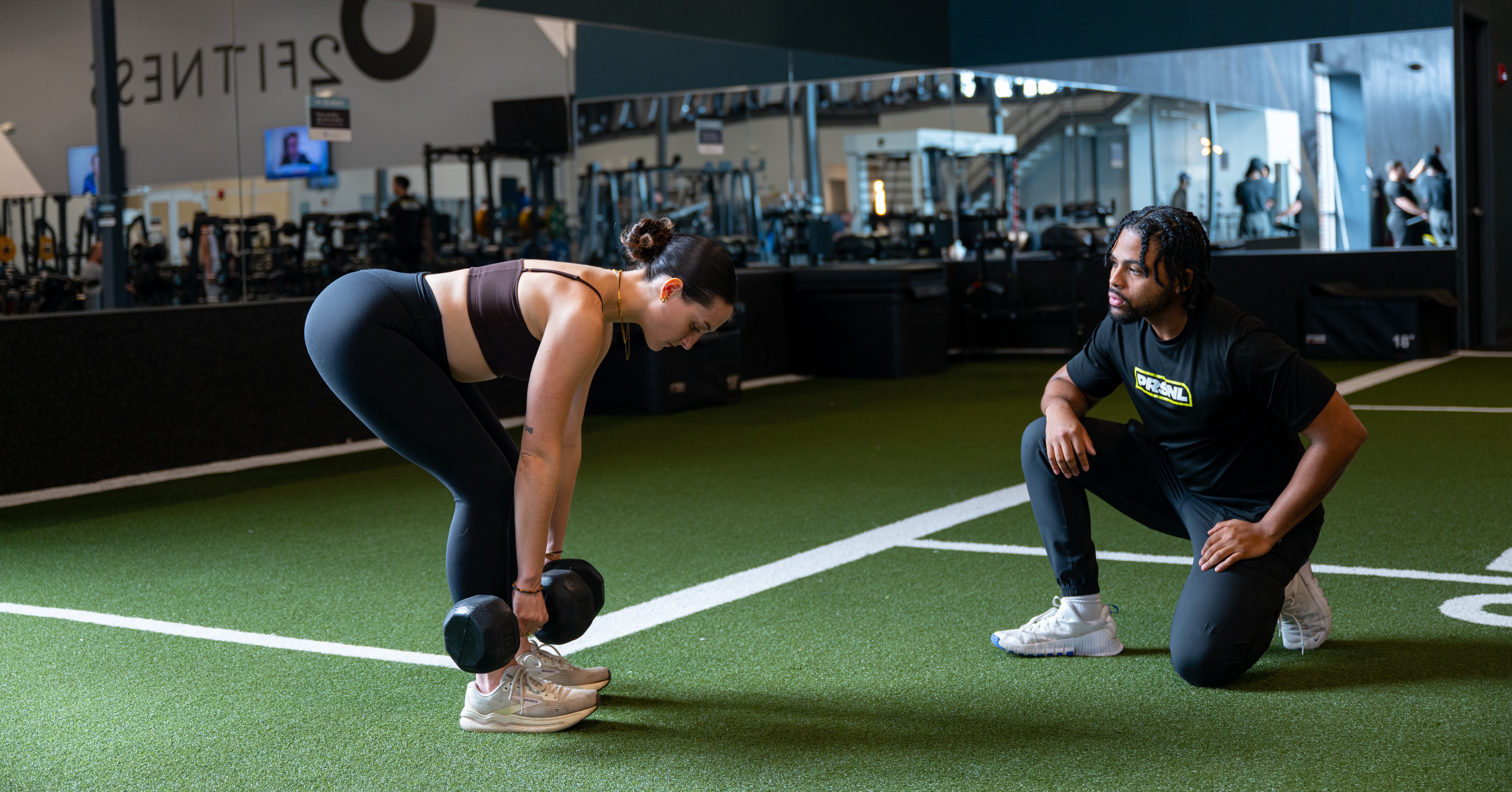
Many of our group classes are designed to help you build this foundation. But you can always ask one of our expert PRSNL Coaches at the front desk about which classes or exercises best fit your mobility needs, or request a quick mobility assessment during your next visit.
As a member, you also have free access to mobility workouts in our PRSNL app.
Bottom line: Mobility isn't a "nice to have." It's the groundwork for stronger lifts, safer workouts, and a body that moves better both in and out of the gym. Make it a priority, and watch the rest of your fitness goals fall into place.
See you at the club!

.png)