






-1.png)
You lace up your sneakers, head out for your usual run, or hop in the car to head to the gym… and then something feels off. Your heart is pounding faster than normal, your muscles feel heavier, and you're draining your water bottle in half the time. Sound familiar?
You're not imagining it. Summer workouts are genuinely harder on your body, and there's real science behind it. The good news? A few smart adjustments can keep you training strong all season long (without burning out or risking your health).
Here's everything you need to know about why the heat impacts your performance and how to work with the summer season instead of against it.
Why Heat Makes Exercise Feel So Much More Difficult
Your Heart Works Overtime
When temperatures rise, your body has to do two jobs at once: deliver oxygen to your working muscles and pump blood to your skin to help you cool down through sweat. This dual demand puts a significant strain on your cardiovascular system, which is why your heart rate spikes faster and stays elevated longer during summer workouts, even at your usual pace or intensity.
Core Temperature Rises Faster
Your body works hard to maintain a stable internal temperature, but in hot and humid conditions, that cooling system is fighting an uphill battle. The result? You hit your threshold faster, perceived exertion goes up, and your body signals you to slow down, even when your mind wants to push forward.
Humidity Is the Hidden Enemy
Heat alone is tough, but humidity is what really makes summer workouts brutal. When the air is already saturated with moisture, sweat can't evaporate as efficiently, which is your body's primary cooling mechanism. In high-humidity environments, you can feel like you're working twice as hard for half the results.
Electrolyte and Fluid Loss Accelerates
Sweat rates can increase dramatically in summer conditions, meaning you're losing electrolytes like sodium, potassium, and magnesium at a much faster rate. This leads to muscle cramps, fatigue, decreased coordination, and in severe cases, heat exhaustion or heat stroke.
Check out this post from Loop Nutrition on how cramps aren't always just dehydration!
How to Adjust Your Summer Workouts the Smart Way
Knowing why summer workouts feel harder is only half the battle. Here's how to adapt your training so you stay consistent, stay safe, and keep making progress.
1. Change Your Intensity
One of the biggest mistakes summer athletes make is holding themselves to the same pace, weight, or output as in cooler months. Give yourself permission to dial back intensity by 10–20% during peak heat conditions. This isn't going to make you fall behind in getting the results you want. Your perceived effort is already higher, so backing off the numbers still means your body is working just as hard.
2. Shift Your Training Time
Early morning and evening workouts are your best friends in summer. Temperatures can be 10–20 degrees cooler before 8 a.m. or after 7 p.m., making a measurable difference in how your body performs and recovers. If you're a noon-workout person during the rest of the year, consider temporarily shifting your schedule until fall.
3. Hydrate Before You're Thirsty
Thirst is actually a late indicator of dehydration. By the time you feel it, you're already behind. Drink 16–20 ounces of water in the hour before your workout, sip consistently throughout, and replenish with an electrolyte-rich drink or snack after exercise. On heavy sweat days, a sports drink with sodium can make a significant difference in how quickly you recover.
4. Embrace the Air-Conditioned Gyms
This one is simple but powerful: training in a climate-controlled environment removes the heat variable entirely, allowing you to train at full capacity regardless of what the thermometer outside says.
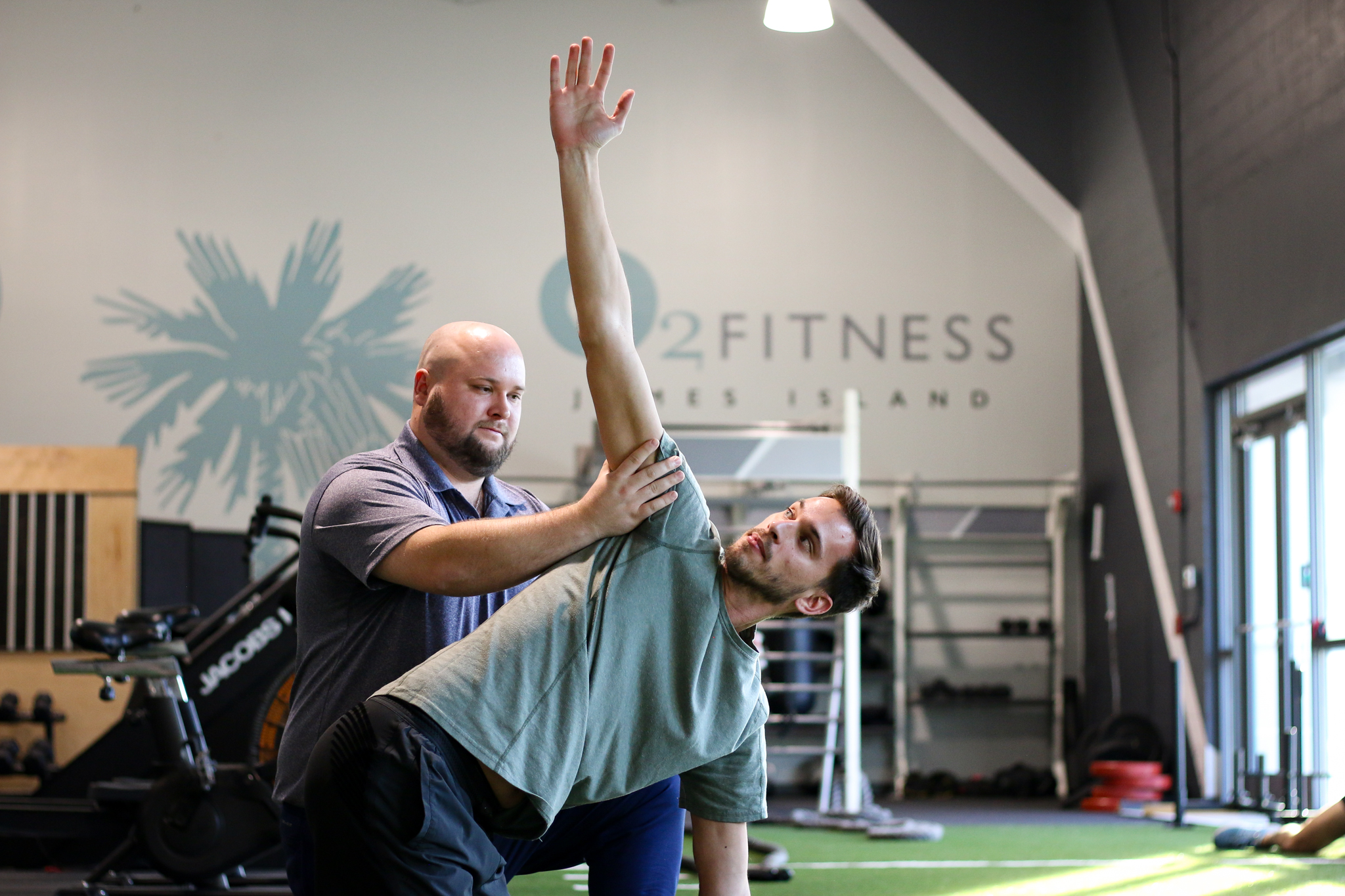
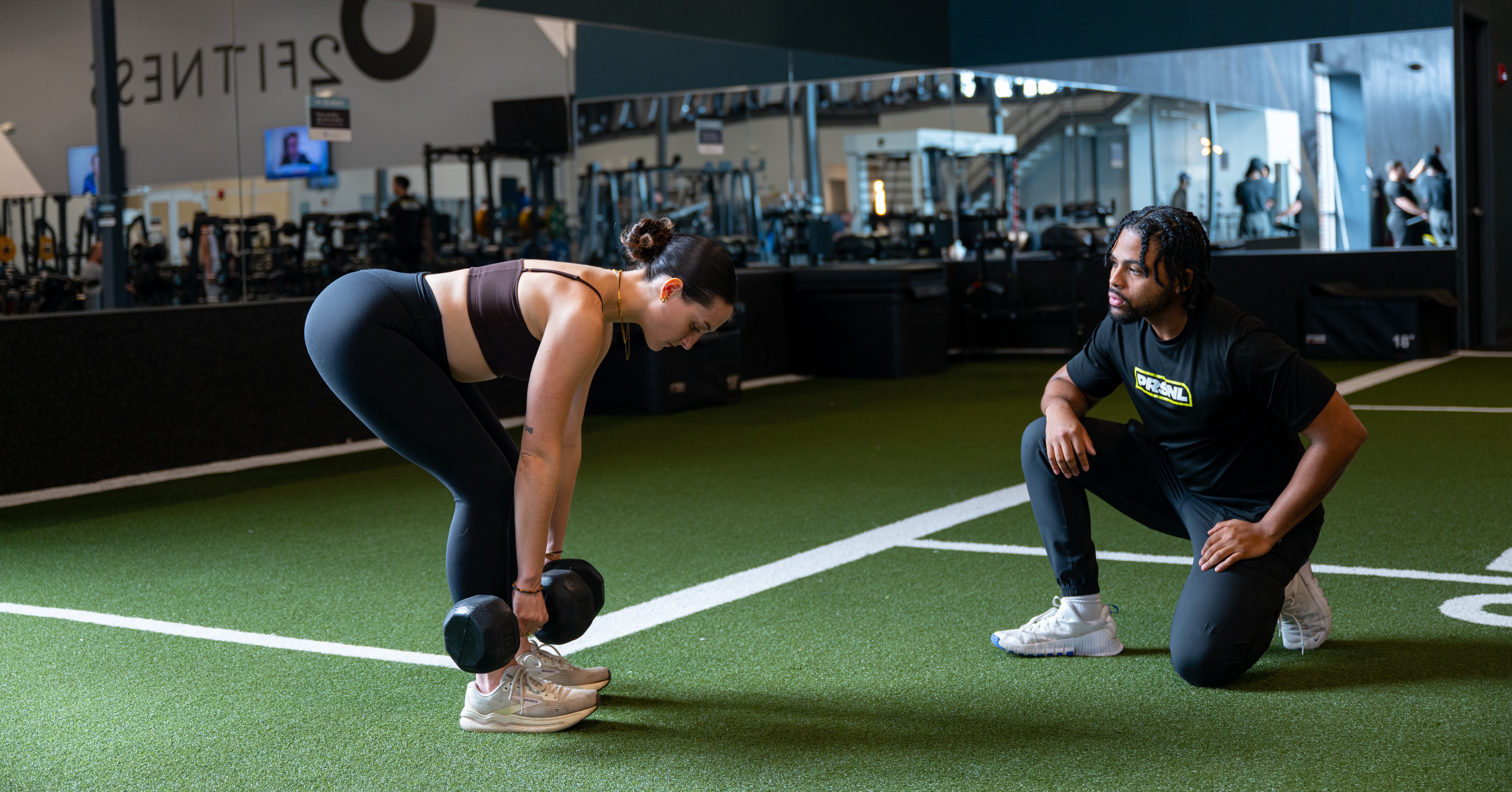
At O2 Fitness Clubs, our facilities are fully air-conditioned and equipped with everything you need to keep your summer training on track, from cardio equipment and free weights to group fitness classes and certified personal trainers ready to help you adjust your program for the season!
→ Ready to beat the heat and keep your fitness momentum going? Find an O2 Fitness Clubs location near you and train in cool, comfortable conditions all summer long!
5. Prioritize Recovery Even More Than Usual
Heat places additional recovery demands on your body, meaning sleep, nutrition, and rest days matter more in summer than at any other time of year. Aim for 7–9 hours of quality sleep, focus on anti-inflammatory foods like berries, leafy greens, and lean proteins, and don't skip your rest days. Your body is doing extra work just to regulate itself.
6. Watch for Warning Signs of Heat-Related Illness
This point cannot be overstated. Know the difference between pushing through discomfort and pushing into danger.
Warning signs to take seriously include:
-
Dizziness or lightheadedness
-
Nausea during or after exercise
-
Stopping sweating despite intense effort (a major red flag)
-
Rapid heartbeat that won't come down with rest
-
Confusion or disorientation
If you experience any of these symptoms, stop exercising immediately, move to a cool environment, hydrate, and seek medical attention if symptoms persist.
7. Modify Your Outdoor Workout Strategy
If outdoor training is part of your routine (running, cycling, hiking, or sports) wear light-colored, moisture-wicking clothing, apply sunscreen before every session, and plan shaded routes when possible. Break longer sessions into shorter intervals with built-in rest periods rather than grinding through a continuous effort in peak heat.
8. Leverage Group Fitness for Built-In Accountability
Summer schedules can throw off your routine quickly. Vacations, social events, and irregular hours all chip away at consistency. Group fitness classes create structure and accountability that helps you stay on track even when motivation dips. There's also something genuinely motivating about being surrounded by others who are showing up and putting in the work alongside you.
O2 Fitness Clubs offers a wide variety of group fitness classes designed for all fitness levels, so you can find the format that fits your summer energy levels on any given day.
The Bottom Line: Don't Let Summer Derail Your Progress
Summer is not the time to abandon your fitness goals. It's time to train smarter. By understanding how heat affects your physiology and making strategic adjustments to your intensity, timing, hydration, and recovery, you can maintain (and even build on) the progress you've made all year.
The athletes and everyday gym-goers who come out of summer in their best shape aren't the ones who pushed hardest through every scorching session. They're the ones who adapted intelligently, stayed consistent, and used every resource available to them (including a great gym.)
→ New to O2 Fitness Clubs? There's no better time to start. Claim your 21-day free trial and experience world-class facilities, expert coaching, and a community that keeps you going all summer long!

.png)